The Trekker's Toolkit: 5 Essential Tips I Always Give My Clients
After guiding trekkers across some of Nepal’s most breathtaking trails, I’ve learned that the mountains reward those who prepare with intention. These are the five core principles I share with every client—simple, practical habits that make all the difference at altitude.

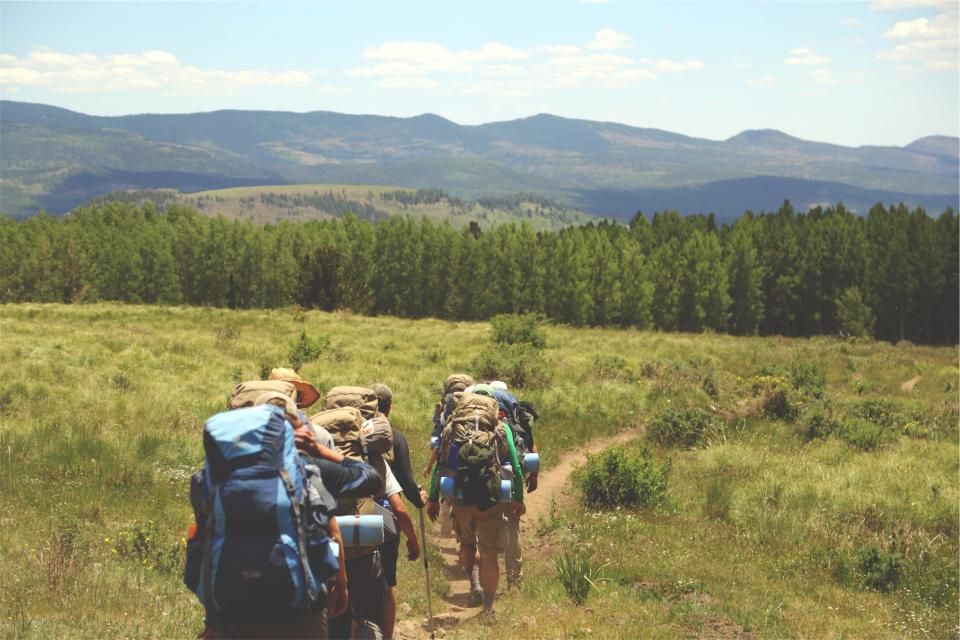
Every trekker arrives in Nepal with dreams—of mountains, fresh air, freedom, and maybe a little transformation. But the Himalayas, as beautiful as they are, demand respect. The difference between a joyful trek and a difficult one often comes down to preparation.
After years of guiding, these are the five golden rules I repeat to all my clients, no matter their age, fitness, or destination.
1. 🏔️ Respect the Altitude
Your body needs time—give it that gift.
Altitude is the biggest factor in Himalayan trekking. Even the fittest person can get Acute Mountain Sickness (AMS), and it can appear suddenly.
My rule for all clients:
Once you cross 3,000 m, limit your sleeping elevation gain to 300–500 m per day.
Once you cross 3,000 m, limit your sleeping elevation gain to 300–500 m per day.
And every 1,000 m of vertical gain, we take an acclimatization day—we hike a little higher, then return to sleep lower. This simple practice saves lives.
Never ignore symptoms like headache, nausea, or unusual exhaustion.
Listening to your body is strength, not weakness.
Listening to your body is strength, not weakness.
2. 🐢 Pace Yourself — The Turtle Always Wins
Slow is smooth. Smooth becomes strong.
“Nepali Flat” is my favorite joke on the trail—because nothing is ever truly flat.
The key to a sustainable trek is a slow, steady, relaxed pace.
- Walk slow enough to breathe through your nose.
- Walk slow enough to talk without effort.
- Walk slow enough that your steps feel like you're saving energy, not spending it.
I always tell my groups:
Your goal is not the summit. Your goal is the next step.
Your goal is not the summit. Your goal is the next step.
3. 💧 Hydration Is Non-Negotiable
Drink 3–4 liters daily, even when you don't feel thirsty.
The dry mountain air, constant walking, and altitude make dehydration a real danger, and dehydration increases the risk of AMS.
Here’s what I advise:
- Aim for 3–4 liters of water daily
- Drink hot ginger tea, garlic soup, or herbal teas
- Minimize alcohol and excessive caffeine
- Only drink boiled or purified water
A well-hydrated trekker is a safer, happier trekker.
4. 🧥 Layer Smartly — The Three-Layer System
Weather changes in minutes. Layers keep you ready for anything.
The Himalayas can feel like winter at 5 AM and summer by noon. Layering helps you regulate your temperature without sweating or freezing.
The Three-Layer System
| Layer | Function | Purpose |
|---|---|---|
| Base Layer | Wicking | Pulls moisture away from your skin (Merino wool or synthetic) |
| Mid-Layer | Insulation | Keeps you warm (fleece jacket or lightweight down) |
| Outer Layer | Protection | Windproof and waterproof shell |
My rule: Add a layer the moment you stop walking.
Cold sneaks in quickly at altitude.
Cold sneaks in quickly at altitude.
5. 🍛 Fuel Your Body — Dal Bhat Power!
Simple, warm, and perfect for the mountains.
Dal Bhat—the classic Nepali meal of rice, lentil soup, and vegetables—is not just food. It’s the ideal trekking fuel.
- High in complex carbs
- Easy to digest at altitude
- Usually comes with free refills
- Keeps your energy steady for the long climbs
Avoid raw salads or meats in remote areas—they can upset your stomach, and dehydration at altitude is dangerous.
🤝 Final Takeaway
The Himalayas will test you, but they will also give back more than you expect. With mindful pacing, proper hydration, smart layering, and a deep respect for altitude, your journey becomes safer, richer, and far more meaningful.
If you’re planning a trek and want expert guidance on routes, fitness, packing, or pacing, I’m here to help.
👉 Get Expert Trekking Advice
– Sarita Paudel
Trekking Guide | Focused on Safety, Stories & Safe Journeys
Trekking Guide | Focused on Safety, Stories & Safe Journeys